

This year marks the third year of operation of our sustainable vanilla program in Madagascar. Three years rich in challenges, in learning, but above all in concrete results that testify to the commitment of our teams, our partners and the producing communities. In just three years, we have seen the growers' association grow, sustainable agricultural practices progress, and essential initiatives for daily life multiply: access to drinking water, health coverage, school support, reforestation. Our ambition remains intact: to build a more sustainable, more resilient and more equitable vanilla industry, by putting transparency and traceability at the heart of our actions.
Muriel Acat - President of Prova
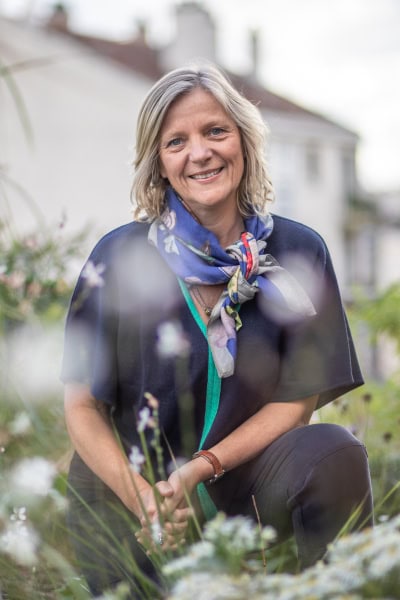
Vanilla is not just a crop, it's a human and environmental story. Three years after the launch of our sustainable program, the results are in: producers and their families supported, communities better supported and ecosystems preserved. Every action taken in Madagascar confirms that a vanilla industry can be fair, sustainable and resilient.
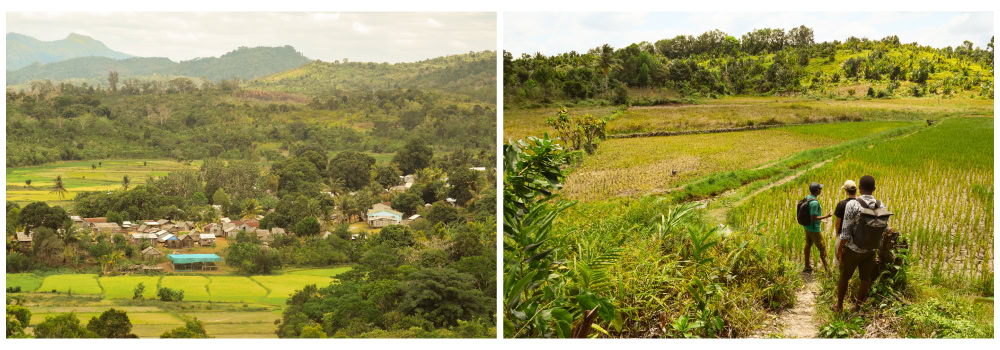
At the heart of the program, spread over five villages, growers belonging to FIBIMI - a local association created to structure the vanilla sector and support growers in implementing the sustainable program - benefit from comprehensive support that transforms their daily lives and those of their families. In terms of skills, all planters have been trained in Good Agricultural Practices (GAP), and a large majority now apply more than 80% of these methods; modules in associative and financial management also reinforce their collective autonomy. In terms of health and access to water, all households are covered by a mutual health insurance scheme, and four new drinking water sources facilitate water supply. In terms of education, the children of families benefit directly from the program: 479 pupils aged 6 to 14 have received a school kit and 785 children will have access to snacks at school during the 2024-2025 school year. Finally, for food security and income diversification, more than half the producers have been trained to grow improved rice; at the same time, the distribution of 2,440 clove trees and 500 fruit trees as cash crops is opening up new economic prospects for households.
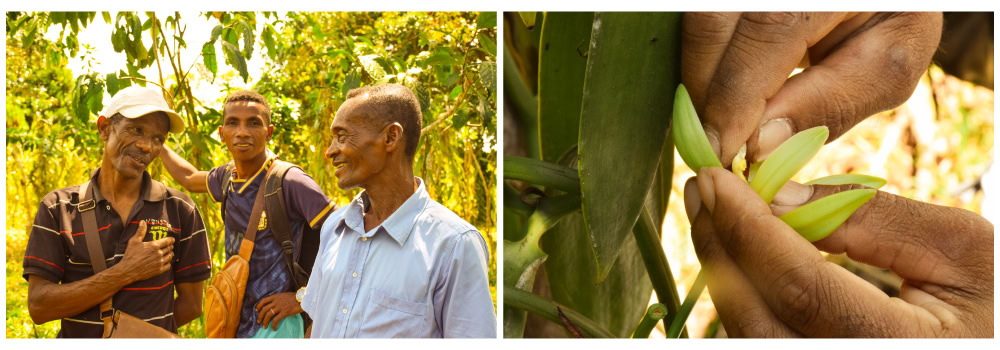
The program's growers are also committed to preserving the ecosystems that determine vanilla's long-term survival. The industry is becoming more structured: they now cultivate 250 hectares spread over 468 declared plots, while a first batch of green vanilla has been traced back to the production village, a key step towards greater transparency. Drone mapping reinforces agronomic monitoring and the protection of surrounding soils and forests. On the environmental restoration front, 12,850 forest trees and 750 fruit trees have been distributed for reforestation, along with awareness-raising campaigns to limit deforestation; in all, almost 32 hectares have been reforested in three years. Together, these initiatives demonstrate the direct involvement of communities in a more resilient, transparent and environmentally-friendly industry.
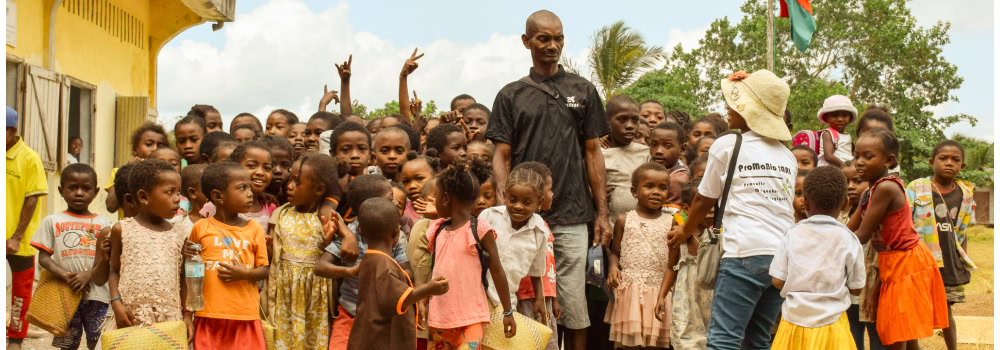
And tomorrow?
Our ambition for the coming years is clear: to continue and broaden the impact of the program. First, we want to expand the community by welcoming new planters to FIBIMI in order to strengthen the collective dynamic and offer the same opportunities to more families. Next, we're going to strengthen reforestation and biodiversity, with a medium-term target of 20,000 trees planted and the deployment of agroforestry practices that preserve the richness of local ecosystems. Finally, we want to develop our social actions by going further in education, health and food security, through initiatives designed as closely as possible to the needs expressed by communities. The program's future lies in a logic of shared growth, where each new step benefits planters, their families and the surrounding environment.